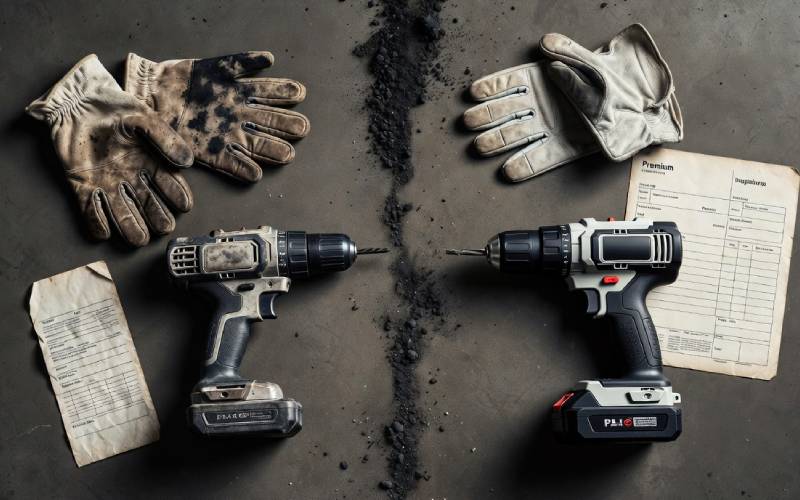
When I was getting ready to start my chimney business, I visited my previous employer Frank Waggoner at Endless Energy Systems in Durango, Colorado. I asked him if he had any old brushes I could buy to get started. I'd also been collecting rods and brushes from my local thrift store — figuring I'd piece together a kit on the cheap.
Frank looked at my pile of push rods and told me something I didn't expect: "For 95% of the work you'll be doing, you don't want or need any of those old push rod setups."
He had a display in his showroom with the Gardus SootEater. "This is what you can get started with," he said. So I bought a kit and some extra rods. I may still have some of those first components in my kit today. That one conversation saved me from spending money in the wrong places and pointed me toward equipment that actually works for the job.
That's the spirit of this article. You don't need $15,000 in professional equipment to start sweeping chimneys. But you do need to spend smart — buy the right things at the right time, and know the difference between "good enough to start" and "good enough to build on."
The Starter Kit: Getting to Work Without Going Broke
Here's the truth that nobody in the equipment business wants to tell you: a motivated sweep with a $300 starter kit can deliver a quality cleaning. The chimney doesn't care how much your rods cost. It cares that you do the job right.
Rotary Sweep System
The Gardus SootEater is the entry point. The standard kit (RCH205-B) runs about $75–85 and comes with six 3-foot flexible rods (18 feet of reach), a trim-to-fit spinning whip head, and a drill adapter. You'll want extra rods — extension kits run about $25–30 for two additional rods.
It connects to any cordless drill and it works. Not as fast or as elegant as a $900 professional rod system, but it works.
A word on off-brand rotary kits: There are a lot of cheaper rotary chimney sweep kits out there — Amazon is full of them. I've tried a few. The results are not the same. The connections loosen, rods disconnect in the middle of a sweep job, and you end up fishing components out of a flue. The Gardus SootEater is the lowest-tier entry point I've found that connects solidly and doesn't "accidentally" come undone when you're 20 feet up a chimney. Don't go cheaper than this.
Vacuum
A Ridgid 16-gallon stainless steel shop vac with a HEPA filter will get you started. The vac itself runs about $265–285 (model 1610RV), and the HEPA filter (VF6000) is another $35–45. Total: roughly $300–325.
Is it a professional chimney vacuum? No. Will it contain soot and keep a customer's living room clean? Yes — if you use the HEPA filter and maintain your seals. I used one of these for years.
Inspection Camera (The Scrappy Way)
Professional chimney camera systems used to start at $2,000+ and the high-end ones still go well past $5,000. Newer options from brands like Sweeper Peeper and InspectionFire have brought entry points down, but when I was starting out, none of that existed.
Here's what I did: I strapped a smartphone to a chimney rod and connected it to a tablet for live viewing and image capture using an app called IP Webcam. The phone went up the flue, the tablet stayed with me at the firebox. I could see what the camera saw in real time and capture images for my inspection reports.
Eventually I started bringing a portable WiFi router with me and setting it up on the smoke shelf so the tablet and the inspection phone could maintain a strong connection on long flue runs. Was it hokey? Absolutely. Did it work? Every single time.
Tip: Use an older smartphone you've retired. It doesn't need cell service — just WiFi capability and a decent camera. Total cost for this setup: essentially free if you already have an old phone and a tablet.
Rod Bag
I carry my sweep rods in a junior golf bag. Shoulder straps for carrying up a ladder, pop-out legs that can straddle a roof peak, carrying handles, and pockets everywhere for brushes, adapters, and accessories. I've gone through a few of these bags and I wouldn't do it any other way. You can find one at a thrift store for $10–20 or new for $30–50.
What Your Starter Kit Costs
| Item | Cost |
|---|---|
| Gardus SootEater kit + extra rods | $100–115 |
| Ridgid 16-gal stainless vac + HEPA filter | $300–325 |
| Smartphone camera rig (old phone + IP Webcam app) | $0–20 |
| Junior golf bag for rods | $10–50 |
| Drop cloths, tarps, basic hand tools | $50–100 |
| Dust masks, safety glasses, gloves | $25–50 |
| Total | $485–660 |
Under $700 to be operational. Compare that to the $10,000–15,000 some people will tell you that you need. You can always upgrade later — when the revenue justifies it.
When to Go Pro: The Upgrades That Matter
Budget gear gets you started. Pro gear keeps you efficient, professional, and sane as your volume grows. Here's what to upgrade and roughly when.
Upgrade #1: Professional Vacuum (Priority: High)
This is the first major upgrade I'd recommend. A professional chimney vacuum like the RoVac 3-motor HEPA (~$3,500–3,900) is purpose-built for soot containment. The suction is dramatically stronger, the filtration is better, and the tank is designed for the kind of fine particulate that chimney work generates.
The difference is real. Your Ridgid works — but a pro vac works faster, contains better, and signals to the homeowner that you're running a serious operation. Keep the Ridgid as a backup.
If the RoVac is too steep initially, the Dustless Technologies 16-gallon HEPA (~$580) is a solid mid-tier option that's a clear step up from a standard shop vac.
Upgrade #2: Professional Rod System (Priority: Medium)
Professional rod sets from companies like SnapLok or Rodstation use button-lock connections that are faster to assemble, more rigid when you need them to be, and won't come apart in the flue. Individual rods run $40–85 each, and a full kit can run $780–940 depending on the configuration.
The Gardus gets the job done — but pro rods save you time on every single job. When you're running 3–5 jobs a day, those minutes add up fast.
I also keep rigid steel snap-lock rods in my kit for tile busting and heavier-duty rotary work. Different tools for different jobs. The flexible Gardus rods don't cut it when you need to apply real force.
Upgrade #3: Professional Camera System (Priority: Medium-High)
A dedicated chimney camera system like the Chim-Scan Series 100 (~$1,850–3,500) or the Wohler VIS 500 (~$5,200–7,000) is a different world from a phone on a stick. Pan-and-tilt camera heads, purpose-built lighting, integrated recording, and image quality that holds up in reports and presentations.
The market is getting more competitive, too. Sweeper Peeper launched the Smoke Scout at around $999 — a purpose-built chimney camera with wireless tablet viewing that hits a sweet spot between DIY and full pro systems. InspectionFire takes a different approach: rugged GoPro housing kits designed specifically for chimney flues, ranging from about $450–$2,400 depending on the configuration. Both are worth looking at if the $2,000+ systems are out of reach but you've outgrown the phone-on-a-stick setup.
This is especially important if you're doing Level 2 inspections. Video scanning of the flue interior is a requirement, and the quality of your camera directly impacts the quality of your documentation — which directly impacts what you can charge.
My phone rig worked fine for getting started. But when I upgraded, the difference in efficiency and output quality was immediate.
Upgrade #4: Dryer Vent Equipment (Priority: Low-Medium)
If you're adding dryer vent cleaning to your services — and you should — the Gardus LintEater (~$38–67) is a perfectly fine starting point for residential work. The pro-level dryer vent kits from Nikro or Rodstation run $300–1,700+ depending on whether you're buying just rods or a complete system with vacuum.
Start with the Gardus. Upgrade when dryer vent work becomes a significant portion of your revenue.
Specialty Tools: Build What You Need
Some of the most useful tools in my kit are things I built myself. Not because commercial options don't exist — but because the job sometimes demands something specific that nobody sells.
- Pressure spraying systems — for spraying parging material up into the recesses of a smoke chamber. Custom-built from off-the-shelf spray components.
- Pulley systems — for raising and lowering chimney pipe down long wooden chases. Saves your back and prevents damage to components.
- Custom brushes and vacuum attachments — to reach areas that standard tools can't get to. Every chimney is different, and sometimes you need a tool that doesn't exist yet.
This is one of the things that makes the chimney trade unique. You're part technician, part engineer, part problem solver. The willingness to fabricate a solution when a commercial one doesn't exist is what separates good sweeps from great ones.
The Mortar Gun Question
The Quikpoint mortar gun (~$265 for the drill-mount version) is a polarizing tool in the chimney community. A lot of sweeps say it isn't worth it or that it's unnecessary. I disagree.
For me, it worked very well. I got a lot of repointing and smoke chamber work done with it in short order, and the quality of the output was controllable and very good. It applies mortar roughly five times faster than conventional methods, and the precision matters when you're working in tight spaces like a smoke chamber.
Is it essential? No. You can do the same work by hand. But if you're doing a volume of masonry repair work, the time savings pay for the tool quickly.
Budget vs. Pro: The Real Comparison
| Category | Budget Option | Pro Option |
|---|---|---|
| Sweep rods | Gardus SootEater — $75–115 | SnapLok / Rodstation — $780–940 |
| Vacuum | Ridgid 16-gal + HEPA — $300–325 | RoVac 3-motor HEPA — $3,500–3,900 |
| Inspection camera | Smartphone + IP Webcam — $0–20 | Chim-Scan / Wohler — $1,850–7,000 |
| Dryer vent rods | Gardus LintEater — $38–67 | Nikro / Rodstation — $300–1,700 |
| Mortar gun | Caulk gun + trowel — $15 | Quikpoint Drill-Mate — $265 |
| Total | $420–530 | $6,845–13,805 |
That's a massive spread. The point isn't that the pro gear is overpriced — it's that you don't need all of it on day one. Start lean, reinvest as you grow, and upgrade the tools that save you the most time first.
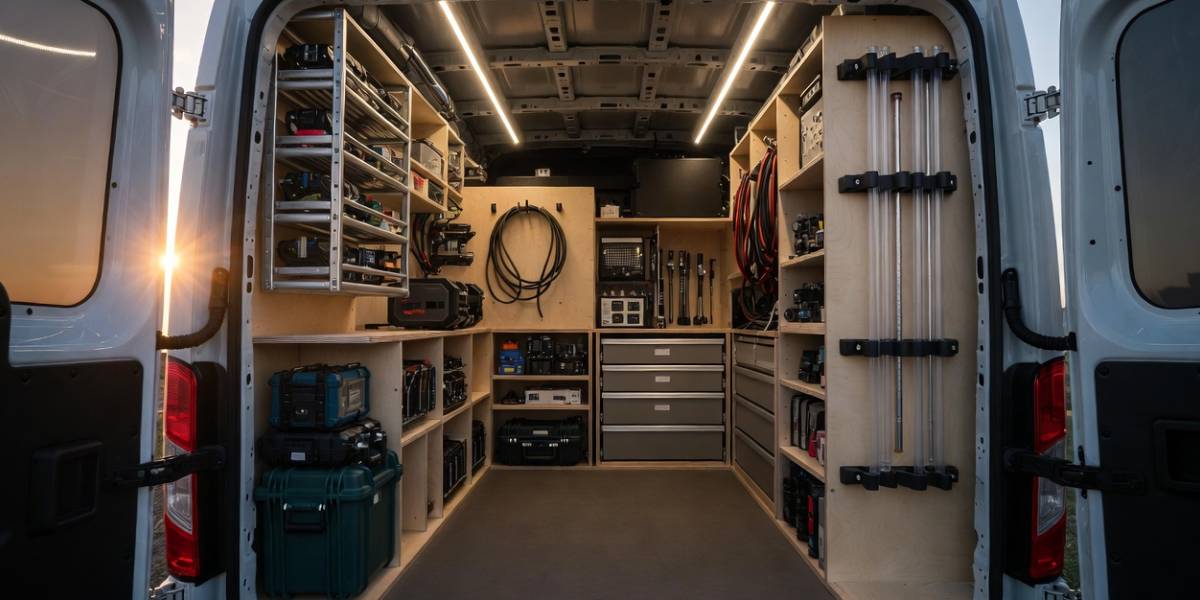
The Upgrade Path
If I were starting over today, here's the order I'd upgrade in:
- Professional vacuum — biggest impact on job quality and customer perception. Upgrade as soon as you can afford it.
- Inspection camera — essential for Level 2 work and significantly improves your documentation. This unlocks higher-margin services.
- Professional rod system — saves time on every job. The ROI shows up in your daily job count.
- Specialty tools — mortar gun, dryer vent kit, custom fabrications. Add these as the work demands them.
Watch for used gear: Retiring sweeps sometimes sell their entire kit. Check Facebook Marketplace, industry Facebook groups, eBay, and chimney sweep association networks. A used RoVac or Chim-Scan at 50–60% of retail can accelerate your upgrade timeline significantly.
Where to Buy
Budget gear is easy — Home Depot, Amazon, Ace Hardware, Tractor Supply. For professional chimney equipment, you're looking at specialty suppliers:
- Lindemann Chimney Supply — rods, vacuums, brushes, full kits
- Chimney Cricket — rods, vacuums, accessories
- SnapLok Systems — professional rod systems
- Rodstation USA — rods, kits, camera systems
- Chim-Scan — dedicated chimney cameras
- Sweeper Peeper — Smoke Scout and other chimney camera systems
- InspectionFire — rugged GoPro-based chimney camera kits
- Wohler USA — high-end inspection equipment
- Nikro Industries — dryer vent and duct cleaning systems
- eFireplace Store — wide selection of professional tools
The Bottom Line
You don't need the best gear to do good work. You need the right gear for where you are right now — and a plan for where you're going.
Start with equipment that's reliable enough to deliver quality results. Use the revenue from those results to invest in better tools. Let each upgrade pay for itself through efficiency gains, expanded services, or higher-quality documentation that justifies higher prices.
The best time to upgrade your equipment is when the tool is costing you more in time and limitations than the upgrade costs in dollars. Not before. Not after. Right when the math flips.
Document every job like a pro — from day one.
Professional inspection reports aren't just for sweeps with $7,000 camera systems. SweepNspect helps you deliver polished, detailed reports no matter what equipment you're running.
Join the Beta →